

The modern technological landscape is evolving at a rapid pace, making it crucial for users and businesses alike to understand the Key Features and Benefits of the PrimeXBT App PrimeXBT app features and benefits of new applications. From personal productivity apps to business solutions, the significance of understanding key features cannot be overstated. This article will explore the essential features and benefits of modern applications, shedding light on how they can streamline operations, enhance user experience, and drive overall success.
Introduction to Modern Applications
Applications form the backbone of our digital experiences. They empower users to perform a wide range of tasks, from managing finances to boosting productivity in the workplace. As technology advances, so does our reliance on these applications to facilitate daily operations and decision-making processes.
Key Features of Modern Applications
1. User-Friendly Interface
A prime characteristic of successful applications is a user-friendly interface. This feature ensures that users, regardless of their technical proficiency, can navigate through the app with ease. Intuitive design minimizes learning curves, facilitating a smoother user experience. Applications featuring drag-and-drop functionality, clean layouts, and accessible menus enhance user engagement and keep frustration at bay.
2. Cross-Platform Compatibility
Today’s users interact with various devices—smartphones, tablets, laptops, and desktops. Therefore, cross-platform compatibility is vital. This feature allows applications to function seamlessly across different operating systems and devices, providing users with a consistent experience whether they are on the go or at their desks. It enhances accessibility, enabling users to pick up right where they left off regardless of the device used.
3. Real-Time Collaboration
In a world increasingly oriented towards teamwork, real-time collaboration is a must-have feature in modern applications. This functionality promotes better communication among team members, allowing them to work simultaneously on projects, share updates, and make decisions instantaneously. Features such as shared documents, chat functions, and project management tools foster collaboration and ensure that everyone stays on the same page.
4. Security Enhancements
With the rising number of cyber threats, security features have become paramount in application design. Robust security enhancements—such as end-to-end encryption, two-factor authentication, and regular software updates—help protect sensitive information and maintain user trust. Businesses must prioritize security features to safeguard their data and that of their clients.
5. Offline Functionality
Modern applications often include offline functionalities, allowing users to access essential features and information without an internet connection. This is particularly beneficial for users on the go or in areas with unreliable connectivity. Offline access ensures that productivity is not hampered, enabling users to continue their work seamlessly.
6. Customization and Personalization
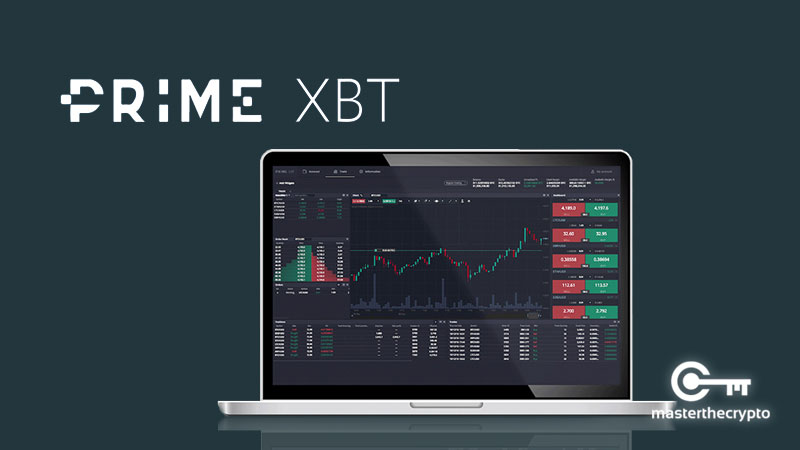
Customization options enable users to tailor applications to their specific needs, enhancing user satisfaction. Features that allow for personalized dashboards, notifications, and settings make applications more appealing to diverse user bases. Personalization fosters loyalty, as users are more likely to stick with applications that cater to their unique preferences.
7. Integration with Third-Party Services
Modern applications excel when they integrate well with third-party services. Linking to various APIs and services enhances functionality and provides users with a comprehensive solution. This integration allows users to sync data across platforms, streamline workflows, and access a variety of tools from within a single application.
Benefits of Implementing Key Features
1. Enhanced Productivity
The integration of key features in applications directly translates to enhanced productivity for users. An intuitive interface, real-time collaboration, and efficient workflows allow users to accomplish more in less time. This efficiency is especially crucial for businesses looking to maximize their workforce’s capabilities and output.
2. Increased User Engagement
Applications that provide valuable features often see increased user engagement and retention. Features that resonate with user needs, such as customization, user-friendly designs, and robust functionality, keep users interested and invested. Engaged users are more likely to explore all the functionalities offered, further enhancing their experience and loyalty.
3. Improved Decision-Making
Applications designed with essential features empower users to make well-informed decisions. By providing timely and accurate data, as well as insightful analytics, applications serve as valuable tools for decision-making. Users can analyze trends, forecast outcomes, and develop strategies effectively, contributing to overall success.
4. Cost Savings
Investing in applications with comprehensive features can lead to significant cost savings. By streamlining processes, reducing the need for multiple tools, and improving efficiency, businesses can save both time and resources. Moreover, well-designed applications reduce the likelihood of errors and miscommunication, further contributing to financial savings.
5. Competitive Advantage
Organizations that leverage modern applications with advanced features often enjoy a competitive advantage. By adopting technologies that enhance productivity, security, and collaboration, businesses position themselves favorably in the market. Early adopters of innovative applications can differentiate themselves and attract clients seeking efficient solutions.
Conclusion
The key features and benefits of modern applications play a crucial role in driving efficiency, productivity, and user satisfaction. Understanding these features—such as user-friendly interfaces, cross-platform compatibility, and real-time collaboration—enables both businesses and individuals to make informed decisions when choosing and implementing technological solutions. As applications continue to evolve, staying ahead of these trends will be essential for leveraging their full potential and ensuring success in an increasingly digital world.